OBEDIENCE COACHING
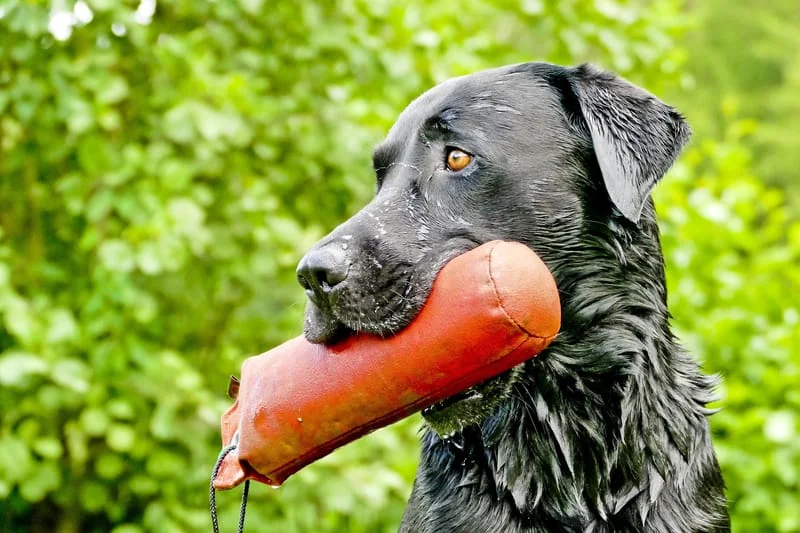
Dogs are intelligent animals that thrive on routine and structure. By providing them with proper training and guidance, you can help them understand what is expected of them and foster a positive relationship between you and your furry companion.
Obedience coaching is an excellent way to help your dog learn basic commands and develop good behavior. In this article, we will go through the steps you need to follow to guide your dog through obedience coaching.
Step 1: Set Goals and Expectations
Before starting the coaching process, it is essential to determine what you want to achieve and set realistic expectations. Decide which commands you want your dog to learn and what behavior you want to encourage. Remember, the goal is not to turn your dog into a robot but to help them become a well-behaved and happy companion.
Step 2: Use Positive Reinforcement
Positive reinforcement is a key element of effective obedience coaching. This technique involves rewarding your dog for good behavior to encourage them to repeat it. Use treats, toys, or verbal praise to let your dog know they have done well. Consistency is essential when using positive reinforcement, so make sure to reward your dog every time they behave appropriately.
Step 3: Be Patient and Consistent
Training a dog requires patience and consistency. It takes time for your dog to learn and understand what is expected of them. Avoid punishing your dog for mistakes, as this can discourage them and make them less likely to obey. Instead, calmly redirect their behavior and reward them when they do well.
Consistency is also vital when it comes to obedience coaching. Use the same commands, tone of voice, and reward system every time you train your dog. This consistency will help your dog understand what is expected of them and make it easier for them to learn.
Step 4: Use Clear and Simple Commands
Dogs respond best to clear and simple commands. Use short phrases like "sit," "stay," "come," or "heel." Avoid using complex or confusing language as this can confuse your dog and make it harder for them to learn. Use a firm but calm tone of voice when giving commands, and make sure to use the same tone every time.
Step 5: Practice Regularly
Regular practice is essential for effective obedience coaching. Spend 10-15 minutes every day working on obedience commands with your dog. This regular practice will help reinforce good behavior and keep your dog's training on track.
Step 6: Socialize Your Dog
Socialization is a critical aspect of obedience coaching. Introduce your dog to new people, animals, and environments regularly. This exposure will help your dog learn how to behave appropriately in different situations and prevent them from becoming anxious or aggressive.
Step 7: Seek Professional Help if Needed
If you are struggling with obedience coaching, don't be afraid to seek professional help. A dog trainer can provide you with guidance and support and help you develop a personalized training plan for your dog.
In conclusion, obedience coaching is an essential aspect of dog ownership. By following these steps, you can guide your dog through the coaching process and help them become a well-behaved and happy companion.
Remember to use positive reinforcement, be patient and consistent, and practice regularly. With time and effort, you can help your dog learn new commands, develop good behavior, and strengthen the bond between you and your furry friend.